
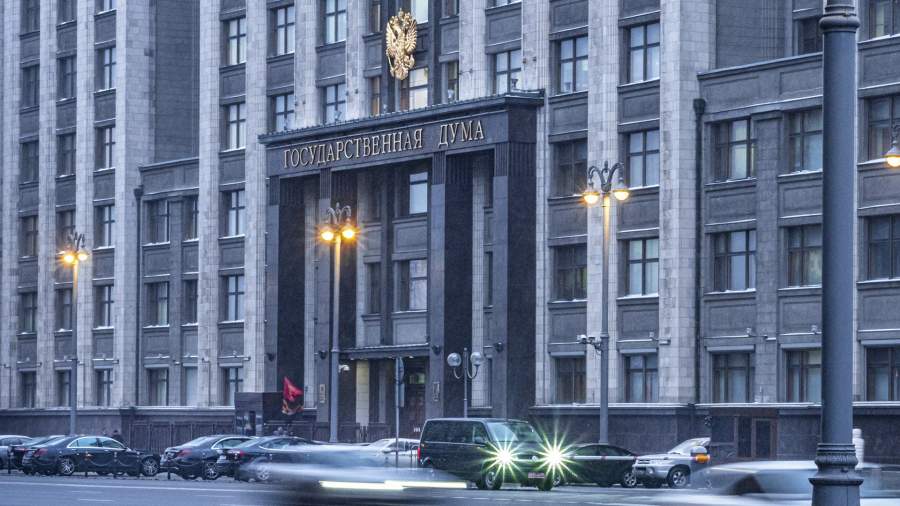
The approved security assurance response document will once again explain Russia’s demands to the US and NATO. This was announced on Monday, February 14, by Dmitry Belik, a member of the State Duma Committee on International Affairs, to Izvestia.
He pointed out that the Russian diplomatic service is currently displaying the highest professionalism, which combines “strict observance of diplomatic ethics”, firmness and consistency in convictions that relate to upholding the country’s positions on the issue of security guarantees.
“The document, approved by the head of state and compiled by our diplomats, will once again clearly explain our demands to the US and NATO. We will continue to demand specific answers to our questions from our Western colleagues,” the politician stressed.
Earlier in the day, Russian Foreign Minister Sergei Lavrov said that Russia had prepared a response to the US and NATO on security guarantees. It is formulated on 10 pages, the diplomat added.
The Russian leader conceptually approved the draft of Russia’s response to the North Atlantic Alliance and the United States.
On December 17, 2021, the Russian Foreign Ministry published draft agreements between Russia and the United States and NATO on security guarantees. It follows from the documents that the alliance must renounce any military activity on the territory of Ukraine and other states of Eastern Europe, Transcaucasia and Central Asia. Also, Russia and NATO must pledge not to create conditions that can be regarded as a threat by the other side.
Negotiations on security guarantees were held in three stages in January. On January 10, a meeting of the Russian and US delegations took place in Geneva. On January 12, a meeting of the Russia-NATO Council was held in Brussels, and on January 13, consultations ended at the Vienna site of the Organization for Security and Cooperation in Europe.
On January 26, NATO Secretary General Jens Stoltenberg announced that Russia had received a written response to proposals for security guarantees. In parallel, United States Ambassador John Sullivan handed over to Moscow a written response from Washington.