
The entry into force of the next package of sanctions marked the beginning of a new stage in the anti-Russian policy of Washington.
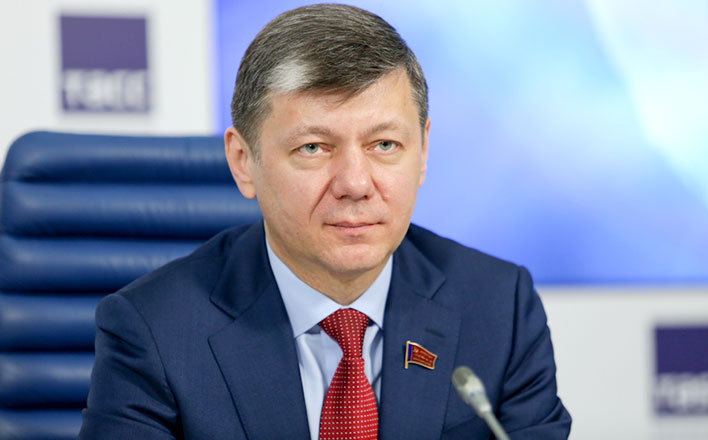
First Deputy Chairman of the State Duma Committee on International Affairs Dmitry Novikov believes that the chaotic nature of the USadministration’sforeign policy is a common topic in arguments of experts and analysts from different countries.
“The situation is that Trump, on the contrary, tries to be consistent, – he said. – He consistently tries to implement his election program. For example, the economic one. It concerns taxes, return of production to the US, and it gives economic growth as an effect. Similarly, during his election campaign Trump stated the need to improve relations with Russia and relevant statements followed from the presidential chair. If he had a different point of view, he would not have gone to Helsinki and met with Putin there”.
In his view, Trump’s position with regard to Russia is purely tactical and consists in bringing Moscow closer to himself, and then using it in the fight against China. And then the turn can reach our country.
“His statements in Helsinki that Russia did not interfere into the elections immediately caused criticism of his closest associates. Moreover, there was an amazing case in the US history: the head of the presidential administration John Kelly appealed to the CIA so that it exerted pressure on Trump and forced him to change his pro-Russian policy” – reminded Deputy Chairman. He singled out the two main reasons for the influx of anti-Russian and anti-Tramp hysteria in the United States. In the short term, these are autumn elections, when everyone tries to play an anti-Russian card in their own interests. A more profound reason is that the American elite would like to remove Russia from the political map of the world and is aggressively moving in this direction.
Dmitry Novikov noted that the first statements of Russian politicians regarding the counter measures have already been made. He recalled that a few days before the imposition of sanctions President Putin called them counterproductive, and then followed the statement of Dmitry Peskov that the Kremlin was thinking over how to react to sanctions. The statement on a possible reaction was made by Deputy Foreign Minister Sergei Ryabkov.
The deputy stressed that the Russian-American trade turnover is much lower than the trade turnover between the US and China, and the scale of the current stage of pressure should not be exaggerated.